Atrial fibrillation is a very common form of arrhythmia, a group of heart conditions characterised by an abnormal or irregular heartbeat. An increasing number of people around the world are affected by atrial fibrillation, with this rising rate of diagnosis due in part to improved detection of the condition. By age 80, 1 in 10 Australians are living with atrial fibrillation. Accurate diagnosis and timely treatment for atrial fibrillation can decrease your risk of severe complications, including stroke, dementia, and heart failure.
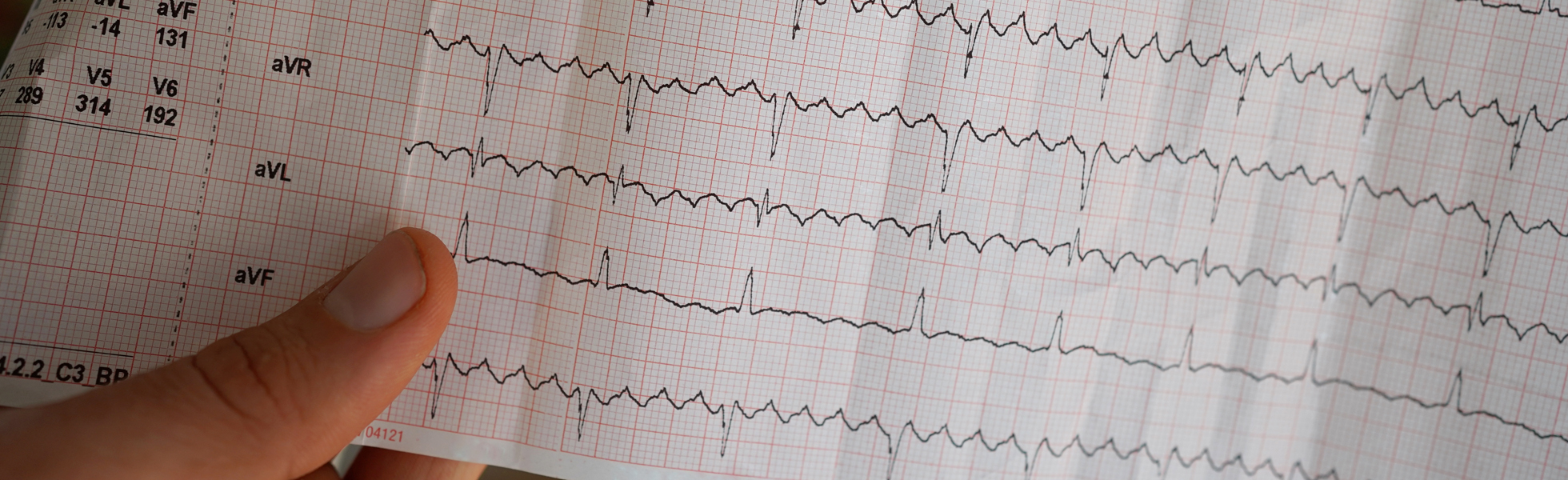
Atrial fibrillation is a type of cardiac arrhythmia involving abnormal electrical signals that originate from the two atrial chambers of the heart. Instead of contracting in a coordinated way to push blood efficiently into the ventricular chambers, the atria twitch or quiver due to the chaotic electrical activity.
This lack of a coordinated rhythm means your heart is unable to pump blood efficiently through the rest of your body, and also increases the risk of stroke through predisposing you to blood clot formation. Untreated atrial fibrillation may lead to heart failure as the heart is overworked and becomes weakened over time.
There are three types of atrial fibrillation:
Atrial fibrillation is associated with several medical conditions and lifestyle choices, though it is not possible to identify a clear cause in every case. It is more common in older adults and slightly more prevalent among men compared to women.
Cardiovascular conditions linked to an increased risk of atrial fibrillation include:
Other risk factors for atrial fibrillation include:
Lifestyle factors that may increase your risk of atrial fibrillation include alcohol consumption and living with obesity. Drinking alcohol can also trigger an episode of paroxysmal atrial fibrillation for those already with the condition, as may severe infections or undergoing major surgery.
Atrial fibrillation is a progressive condition and may worsen over time, but the right treatment can reduce your risk of complications and improve your overall quality of life.
Individual experiences of atrial fibrillation can be varied, with some people having no symptoms and others experiencing symptoms every day.
Common atrial fibrillation symptoms include:
Since not everyone with atrial fibrillation will have symptoms, it’s important to maintain regular heart health checkups with your doctor, especially if you have known risk factors.
Atrial fibrillation treatment is tailored to your symptoms and how they may be interfering with your daily activities, the underlying cause, and any co-existing medical conditions.
A diagnosis of atrial fibrillation can typically be confirmed with an electrocardiogram (ECG), which measures the electrical activity of your heart and can identify irregularities and abnormal patterns. Your cardiologist may also fit you with a Holter monitor for a better view of your heart rhythm over a 24-hour period, or organise an echocardiogram or blood tests.
Find out more about ECG and Holter monitoring →
Atrial fibrillation treatment is aimed at relieving your symptoms and reducing your risk of developing a serious complication. Treatment options can include medication or even catheter ablation in selected patients. Lifestyle changes are often recommended alongside these treatments, such as keeping your weight within a healthy range, limiting or abstaining from alcohol and cigarettes, as well as optimising your management of other medical conditions.
Anti-arrhythmic agents or medications such as beta blockers or digoxin to slow your heart rate can be effective at regulating your heartbeat. Another commonly used medication is called amiodarone. These medications will need to be taken long-term to keep the condition under control. In some cases, you may also be prescribed a blood thinner to reduce your risk of stroke.
Cardioversion is a procedure performed under sedation. A controlled electric shock is delivered to your heart muscle, resetting its electrical signals and restoring the normal rhythm. Cardioversion often provides immediate relief of atrial fibrillation symptoms but is not considered a permanent fix.
A thin, flexible tube known as a catheter is threaded through a blood vessel to the area of your heart producing the faulty electrical signals. Scarring this area of tissue through a pulse of energy blocks the abnormal signal, allowing your heart rhythm to return to a regular pattern.
At Harbourside Cardiology, our team is dedicated to providing holistic, patient-centred care that aligns with the most recent clinical guidelines and research. We are with you every step of your health journey, providing continuity of care of all heart conditions from initial assessment through to treatment and recovery.

